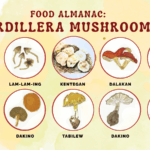
The Philippines is home to a surprising variety of native mushrooms, many of which thrive in our forests and mountain regions. The Cordillera, in particular, is rich in wild mushroom varieties long part of local food traditions. From familiar edible varieties to lesser-known forest finds, these mushrooms reflect the country’s incredible biodiversity. Yet, despite their abundance, many remain unfamiliar to the wider Filipino palate. Here’s a closer look at some Cordillera mushrooms:
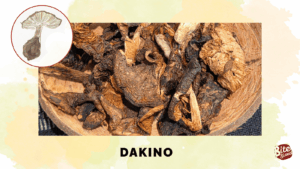
DAKINO (Kankana-ey)
Type: Bolete
- a.k.a. Damino (Bontoc), Botaytay (Ibaloi), Slipper Jack (English)
- Caps can vary in color, ranging from yellow to brown
- Can be found almost all year round, although their slimy texture discourages widespread consumption
- In Europe, this variety is highly regarded as a gourmet ingredient for its smooth, buttery texture and delicate flavor
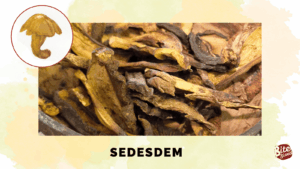
SEDESDEM (Kankana-ey)
Type: Bolete
- Pinkish brown spongy caps with yellow or orange undersides, and firm bulbous yellow stems with red streaks
- Has a unique tendency to stain or bruise blue
- Has a faint yet pleasant aroma with a mild nutty taste reminiscent of sourdough
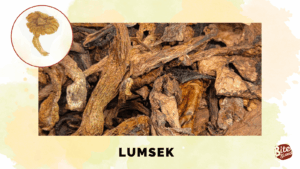
LUMSEK (Kankana-ey)
- This edible mushroom is locally known as the “fly killer mushroom,” and is effective in killing house flies
- When cooked, its taste is likened to MSG, adding a savory umami flavor to dishes
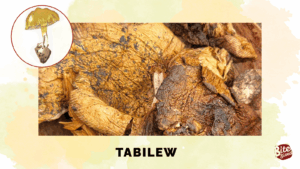
TABILEW (Kankana-ey)
Type: Amanitas
- A small Amanita species characterized by its yellow and orange hue
- A known species is Amanita hemibapha, a.k.a. the Half-dyed Caesar, a mushroom widely eaten in the Himalayas, Tibet, Southeast Asia, and Oceania.
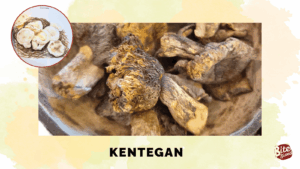
KENTEGAN (Kankana-ey)
- White in color and doesn’t break easily
- A bit similar to the Dalakan mushroom but is more robust and somewhat has a spicy taste
- The word ‘kenteg’ translates to hard, referring to its firm texture
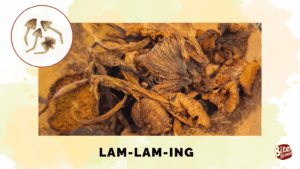
LAM-LAM-ING (Kankana-ey)
- Appearance is small and brown, with the tan cap starting as a cone shape before expanding, maintaining a darker center and pointed umbo (hump in the middle of the cap)
- Typically grows individually, but some are found near each other
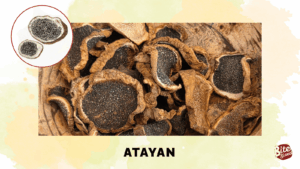
ATAYAN (Kankana-ey) / BU-O (Ibaloi)
Type: Scleroderma
- A highly esteemed edible mushroom in the Cordilleras that’s often compared to highly prized European truffles in terms of appearance
- Resembles potatoes with wrinkled or cracked skin
- When sliced, it reveals a marbled inner pattern similar to truffles
- Has a subtle flavor and emits a delicate fruity scent
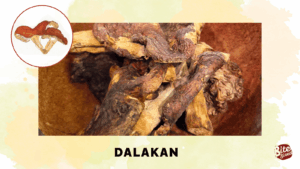
DALAKAN (Kankana-ey)
Type: Russulas
- Sometimes referred to as ‘galakan’
- Characterized by its bright red caps and pure white, pinkish stems; gills are white or cream and are brittle
- Has a distinct pepper taste that can cause a tingling sensation on the tongue when eaten raw
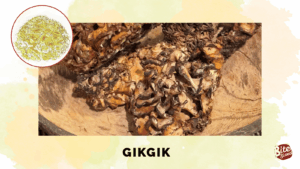
GIKGIK (Kankana-ey)
Type: Coral Fungi
- The fruiting bodies of these fungi form stalks and structures resembling corals
- Comes in a wide variety of colors (white, yellow, orange, red, purple, or tan)
- Often grown in large numbers on the forest floor
Can’t get enough mushrooms? Try these BiteSized recipes enriched with the umami-earthiness of mushrooms:
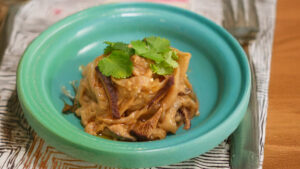

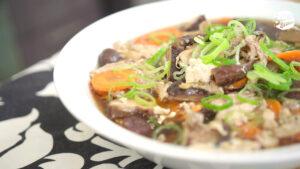
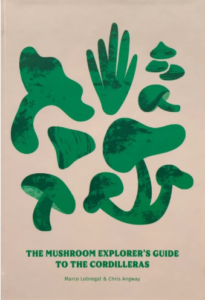
Want to learn more about Cordillera Mushrooms? A great resource is The Mushroom Explorer’s Guide to the Cordilleras by Marco Lobregat and Chris Angway, which also served as a reference for the information above. You can order a copy of the book here. The Ketegan mushroom illustration is on p.121.
View this post on Instagram
Mushroom Illustrations from the Wild Mushrooms of the Cordillera Art by @allseeingiris. For print orders, click here.
Follow us on Facebook, Instagram, TikTok, and YouTube for foodie finds, re-imagined recipes, and easy eats that will take Pinoy bellies on an adventure!




Leave a Reply