Like any weary traveler, I needed to get caffeine to boost my mood and energy between connecting flights. As I walked into a popular coffee chain inside Charles de Gaulle Airport in Paris, a familiar tinge of purple caught my eye. Lo and behold, that month’s special offering was a trio of ube-based drinks partnered with ube-flavored pastries. If I were back home in the Philippines, I’d nonchalantly just give it a quick glance and move with the line. But I was 10,750 km away from the land of “oob” so this was an astounding offer to see. “Wow..tres chic na si ube, “ I thought to myself, amused.

Yes, it’s true that every few years, the food world collectively falls in love with an ingredient. Suddenly, it is everywhere, folded into cakes, stirred into coffee, piped into pastries, and transformed into endless social media content. In recent years, matcha, pistachio, and our purple marvel, ube, have become some of the biggest flavor stars across cafés, bakeries, and grocery shelves worldwide. Their vibrant colors, distinct flavors, and visual appeal make them instantly recognizable and highly marketable. But beyond aesthetics and trends, these ingredients reveal something deeper about modern food culture: the power of popularity to both preserve and pressure culinary traditions.
Pinoy Ube: From Local Favorite to Global Phenomenon
Among the three, ube stands out as the most culturally significant story for Filipinos. For decades, ube was simply part of everyday Filipino food culture. It appears in ice cream, is used as a spread, a topping for halo-halo, and in celebratory desserts like pianono and puto, especially for holidays. What was once considered a “tita flavor” has now gotten into the palate and even vocabulary of Western Gen Zs.
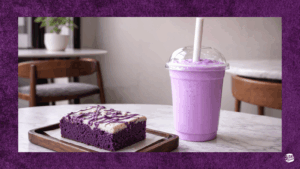
Ube in the form of lattes, pancakes, donuts, cookies, cheesecakes, and anything decadently sugary and trending has appeared in cafés from Manila to Los Angeles, New York, Australia, and London. Social media helped propel its popularity, with its naturally vibrant purple hue making it especially attractive in the age of Instagram and TikTok.
When Virality Opens Doors
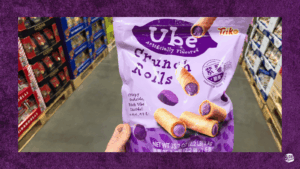
Ube’s rise has introduced Filipino cuisine to a wider international audience. American food publications such as Bon Appétit and NYT Cooking continuously churn out ube recipes and dessert-place features for curious Westerners seeking to have a taste of this humble root crop turned violet gold. International brands like Trader Joe’s released a seasonal ice cream flavor and a Ube Mochi pancake mix, while Amazon has over a hundred ube food items in its online catalog. This visibility gave Filipino chefs, bakers, and entrepreneurs opportunities to showcase their heritage on a global stage.
Increased demand has also created opportunities for our local farmers and producers. As ube products became more popular, demand for ube powder, jams, flavorings, and fresh root crops grew significantly. In a report released last June, the Department of Agriculture (DA) plans to increase its ube research and development budget for 2027 to PHP93 million amid rising global demand. Small businesses have also benefited from the growing appetite for Filipino-inspired desserts and beverages. The Department of Trade and Industry’s (DTI) Export Marketing Bureau also revealed that the Philippines generated USD3.06 million (approx. PHP 22,208,040) in ube and ube-based product exports in 2025. What was once considered a niche ingredient became commercially valuable.
When Trends Overshadow Tradition
Popularity also comes with consequences, as sustainability and supply already pose major challenges. When global demand rises faster than local production can support, traditional farming methods may struggle to keep up with industrial-scale demand. Smaller producers who cultivated ube for generations can be overshadowed by larger commercial operations. The DA has also indefinitely suspended exports of fresh ube to address shortages of planting materials, support domestic production, and enhance the crop’s export potential by reducing competition with other growers in the international market, such as China and Vietnam.
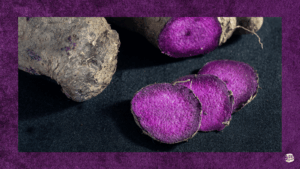
One of the biggest concerns is the oversimplification of the ingredient’s culture. Ube is often reduced to “the purple flavor” without proper understanding of its roots or significance. Many products labeled “ube” rely heavily on artificial flavoring and food coloring while barely resembling the earthy, nutty sweetness of real ube.
Ube’s growing popularity has opened doors that few could have anticipated, but it has also raised questions about what happens when a deeply rooted ingredient becomes a global trend.At best, it can revive culinary traditions that might otherwise disappear. But as ube’s “oob” moniker captures, a culturally specific ingredient can become so commercialized that its identity is shortened, warped, and eventually detached from the culture that gave it meaning.
Go Beyond the Trend Cycle
When I saw those purple drinks at Charles de Gaulle, my first reaction wasn’t simply about amusement. It was a quiet realization: Wow, ube really made it this far.
But global recognition should be only the beginning of the story. Before we call ube the next big global flavor and ask the rest of the world to appreciate ube “properly”, we should learn to appreciate it more deeply ourselves.
This means looking beyond the purple lattes, pastries, and picture-perfect desserts. It means knowing the crop behind the color, the farmers behind the crop, and the Filipino traditions that made ube more than just another flavor waiting to be “discovered” by the rest of the world. It means supporting the people who grow and preserve it, protecting the knowledge surrounding it, and making room for ube to exist beyond what happens to be trending.
So, dear ube, forgive us if we’re still catching up. The world may finally be ready to taste you; however, we’re still learning how to truly appreciate you.
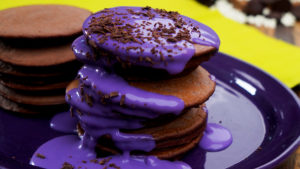
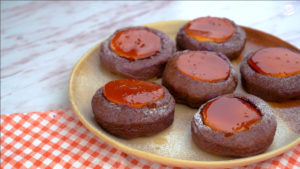
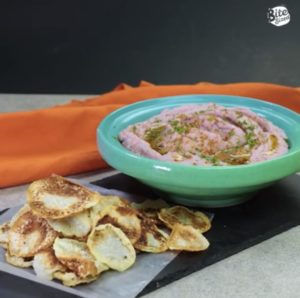
Want to enjoy ube at home? Try these recipes:
Follow us on Facebook, Instagram, TikTok, and YouTube for foodie finds, re-imagined recipes, and easy eats that will take Pinoy bellies on an adventure!


Leave a Reply