Before the colonizers arrived in the Philippines, natives had already used vinegar as a valuable cooking ingredient. They used it to preserve food, enhance flavor, tenderize meat, and add acidity to certain dishes. Given its versatility and usefulness, it’s understandable that we have developed different kinds of vinegar to suit our needs depending on location and source.
Here’s a breakdown of the different kinds of Pinoy vinegar and their popular spin-offs:
STRAIGHT FROM THE SOURCE
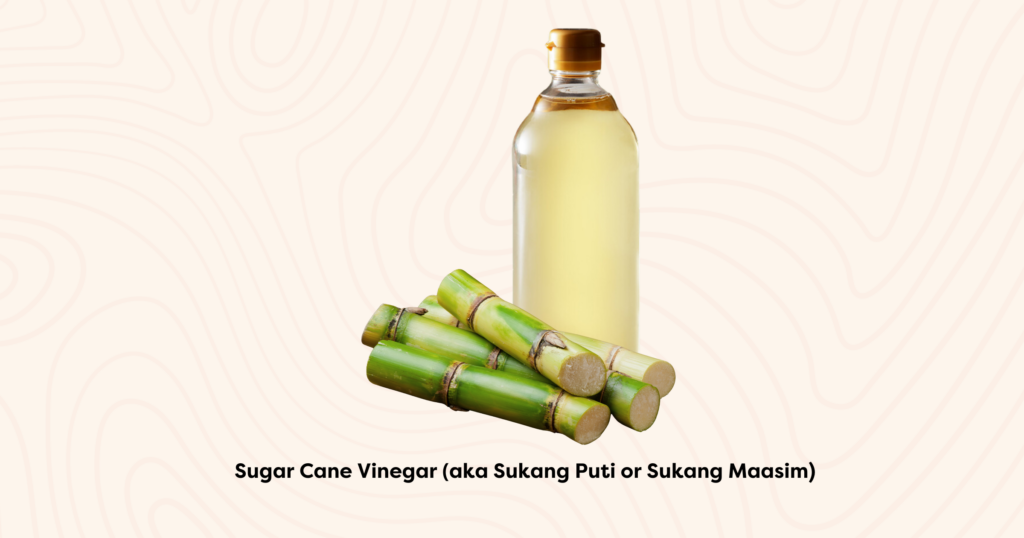
Sugar Cane Vinegar (aka Sukang Puti or Sukang Maasim)
Ingredients: sugar cane, water
Appearance: clear to cloudish white
Sukang puti, or sukang maasim, is a popular vinegar in sugarcane-growing provinces such as the northernmost and central plains of Luzon. It has a certain sweetness since the sap contains 15-26% sugar upon harvest. Because of its almost clear color and mellow flavor, it’s often used as a pickling base and as a versatile vinegar for all-around dipping sauce when mixed with bird’s eye chilies, peppercorns, garlic, and onions. A mainstream brand that’s made from sukang maasim is Datu Puti.
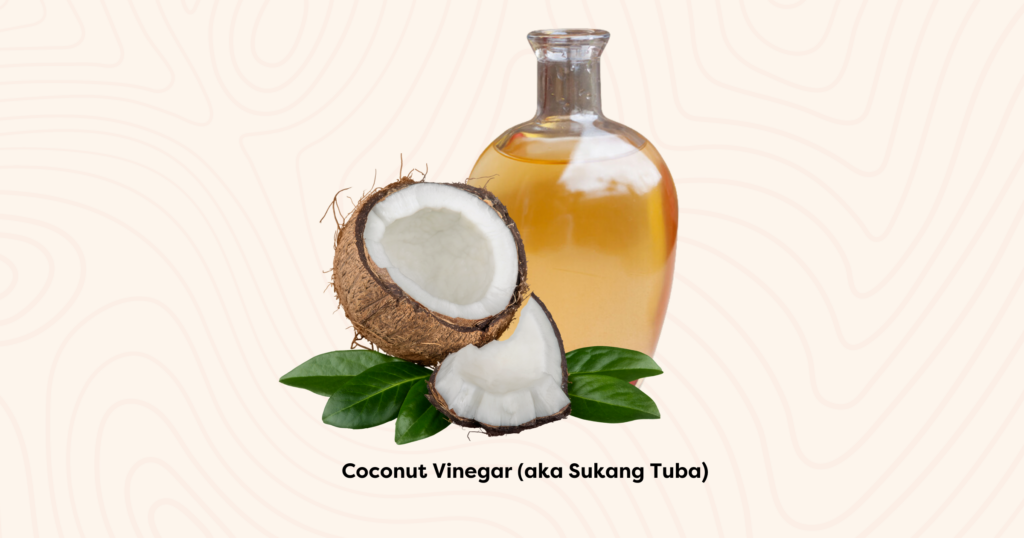
Coconut Vinegar (aka Sukang Tuba)
Ingredients: coconut water or coconut sap, water
Appearance: Light cloudish yellow
Coconut sugar is the most widely used coconut product in the country because of the Philippines’ many coconut-growing provinces. After collecting sap from coconut flowers or coconut water, the liquid is stored in containers exposed to natural yeast and acetic acid bacteria in the air, jump-starting the fermentation process. It has a faint coconut smell and taste, making it distinct from other vinegars. Because of its mild pungency, it’s used as a dipping sauce, marinade, dressing ingredient, and pickling liquid.
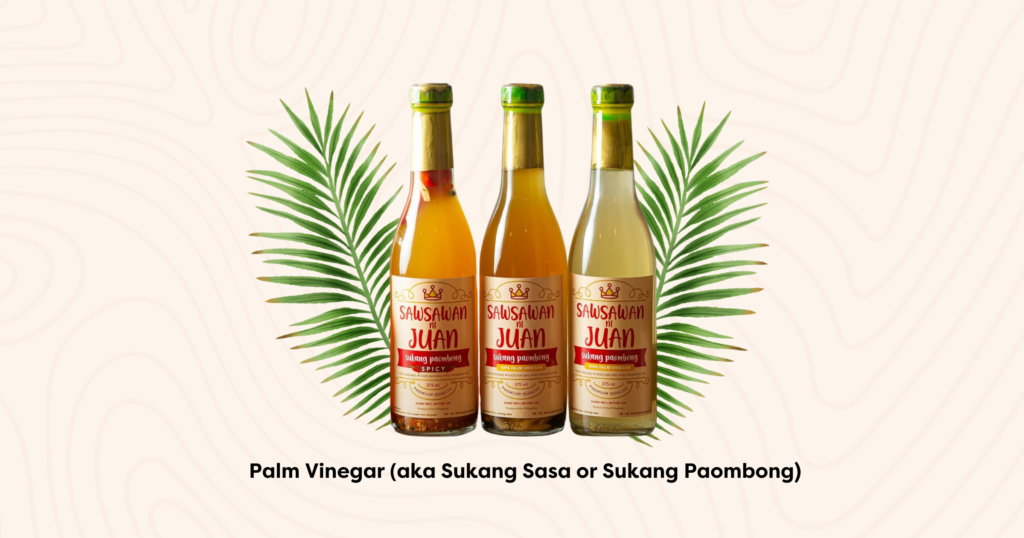
Palm Vinegar (aka Sukang Sasa or Sukang Paombong)
Ingredients: nipa palm nectar, water
Appearance: cloudish yellow
Palm vinegar, more locally known as sukang sasa, is the product of the sasa or nipa palm, which grows in mangrove areas and riverbanks. It is also known as sukang paombong, a nod to the town in Bulacan where it originated. Like its vinegar cousins, fermentation occurs when the nectar collected from the nipa palm is mixed with yeast and acetic acid. One main difference, though, is that it’s sweeter and less punchy than other vinegars, but still a great flavor addition to dishes like paksiw and local ensaladas.
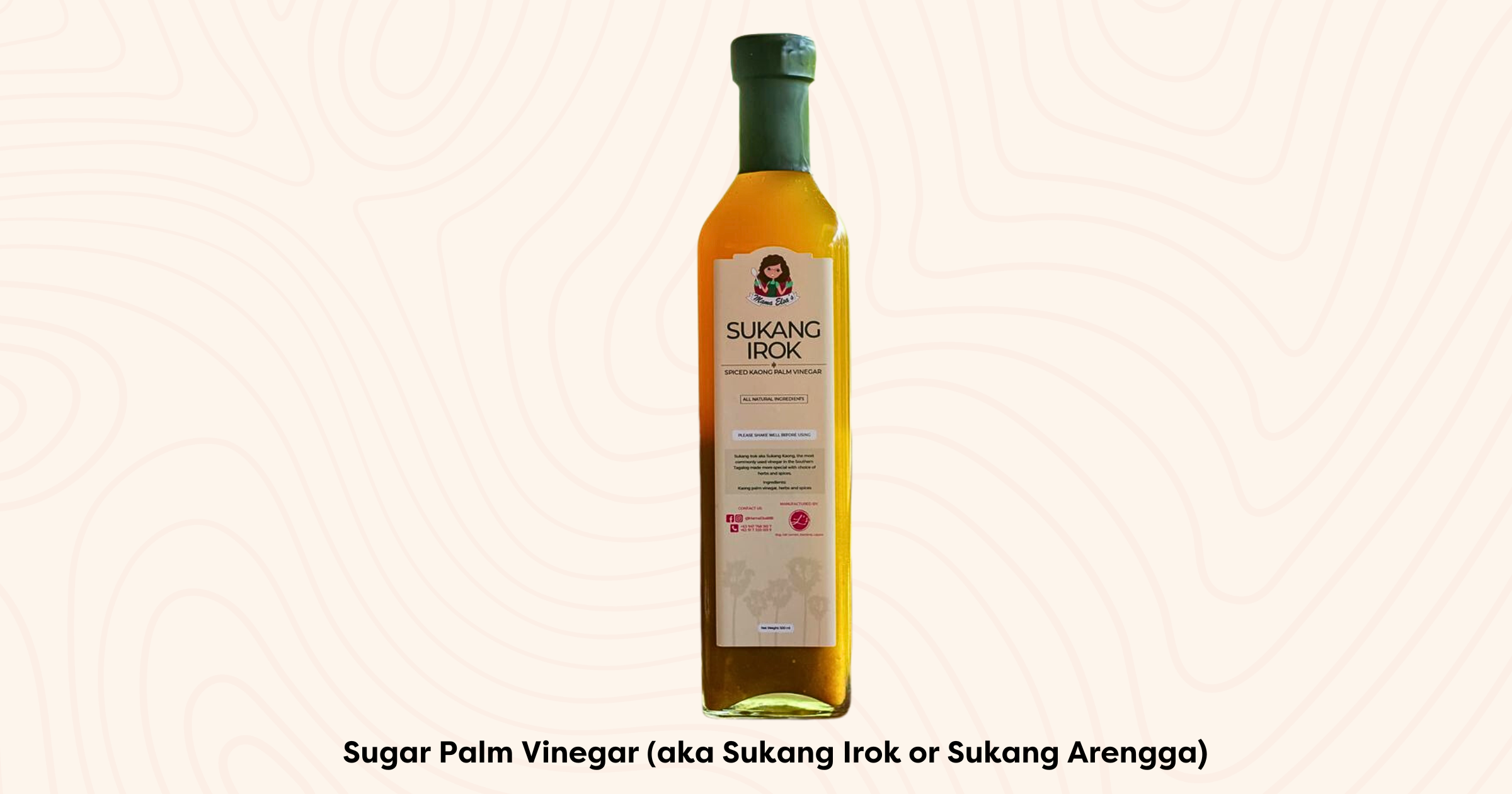
Sugar Palm Vinegar (aka Sukang Irok or Sukang Arengga)
Ingredients: sugar palm nectar, water
Appearance: light cloudish yellow
Sukang irok, sukang arengga, or sugar palm vinegar, is a special kind of vinegar mainly found in the Philippines. In general, the kaong sugar palm has two main products: kaong, the jelly-like substance enjoyed as a dessert, and this fermented liquid. Farmers then collect the sap of the kaong sugar palm and store it in earthenware. Taste-wise, it’s sweeter and mildly sour compared to other vinegar variants, and it is regarded as having fruity notes. Production remains limited for several reasons: kaong is hard to harvest, the fruit’s seasonality can affect sap yield, and the process is laborious.
DERIVATIVES
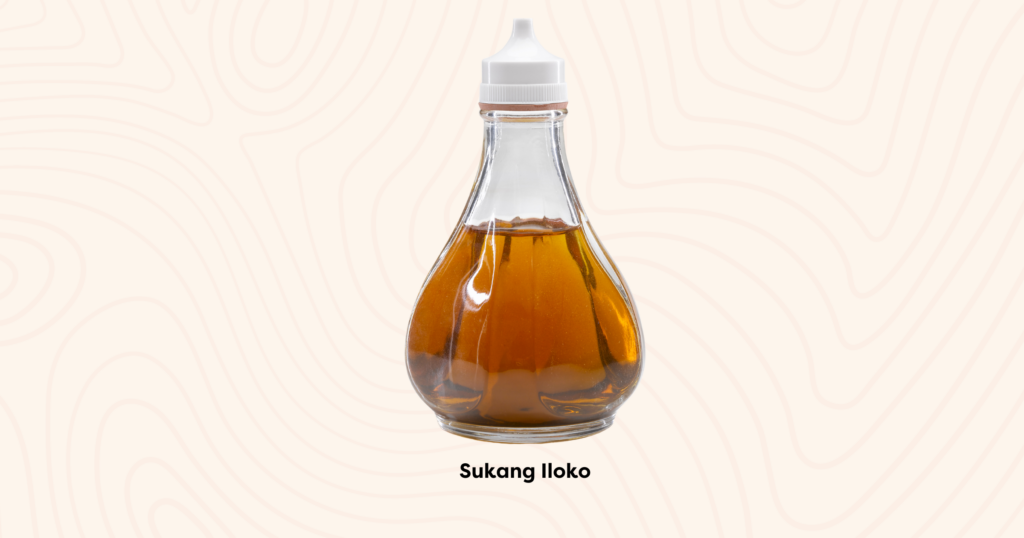
Sukang Iloko
Ingredients: sugar cane, water, additives
Appearance: dark amber
As the name indicates, sukang iloko originates from the Ilocos region and is a prevalent ingredient in the region’s cooking culture. It’s a variant of sukang maasim where the vinegar is further fermented in earthenware jars called burnay or wooden crates. It is an integral ingredient in making Ilocos longganisa and the perfect dipping accompaniment for Ilocos empanada. Compared to sukang puti, sukang Iloco has a more distinct, complex, and sharper flavor because it is fermented longer. It’s also darker in color due to the liquid’s aging.
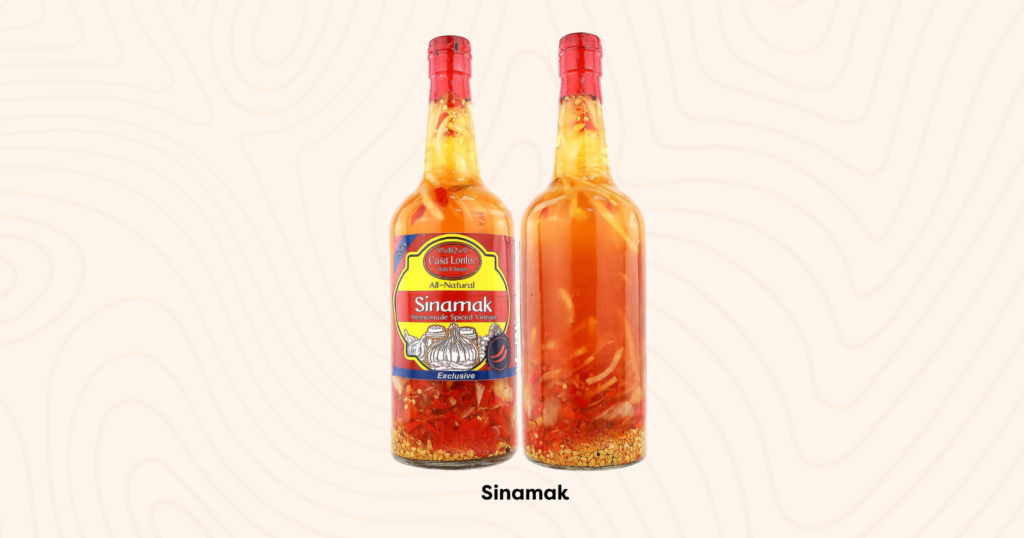
Sinamak (Ilonggo Spiced Vinegar)
Ingredients: sugar cane vinegar, aromatics, herbs
Appearance: Yellowish after being aged with various ingredients
People in Western Visayas have long flavored their dishes with sinamak, a spiced vinegar mixed with various ingredients such as peppercorns, garlic, onions, chilies, bay leaves, and galangal or ginger root. It brings a particular zing perfect for grilled dishes and fried food.
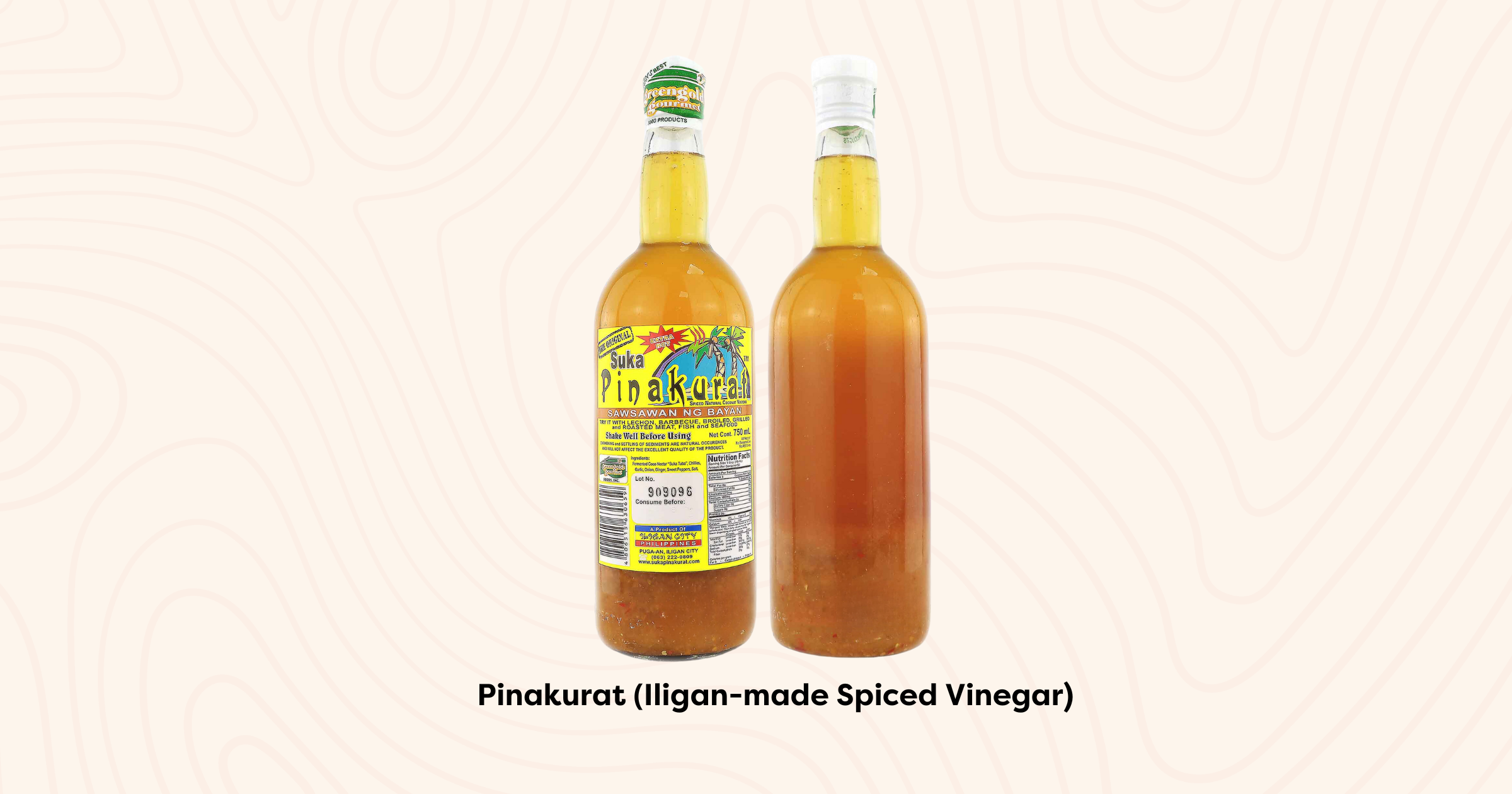
Pinakurat (Iligan-made Spiced Vinegar)
Ingredients: coconut vinegar, spices, aromatics
Appearance: Dark yellow with sediments from various ingredients
Sukang pinakurat is a local vinegar brand made from coconut vinegar. This particular spice vinegar was concocted by Rene Jose B. Stuart del Rosario, a native of Iligan City, who fermented sukang tuba with spices and aromatics such as bird’s eye chili, garlic, and peppers, among others. He named his condiment after an Iliganon dish with wild boar cooked in coconut vinegar. It is also rooted in the Cebuano word kurat, which means “to surprise”.
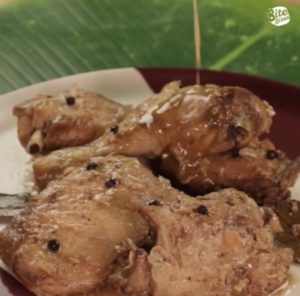
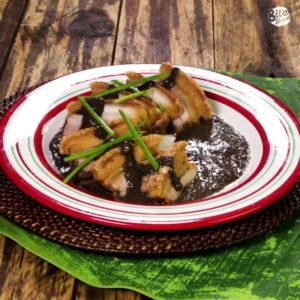
Planning to cook with vinegar? Cook these vinegar-forward dishes!
Calamari Salad with Honey Paombong Vinaigrette
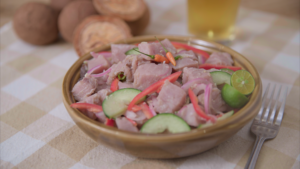
Kilawin na Tuna sa Tabon-tabon
Follow us on Facebook, Instagram, TikTok, and YouTube for foodie finds, re-imagined recipes, and easy eats that will take Pinoy bellies on an adventure!





Leave a Reply