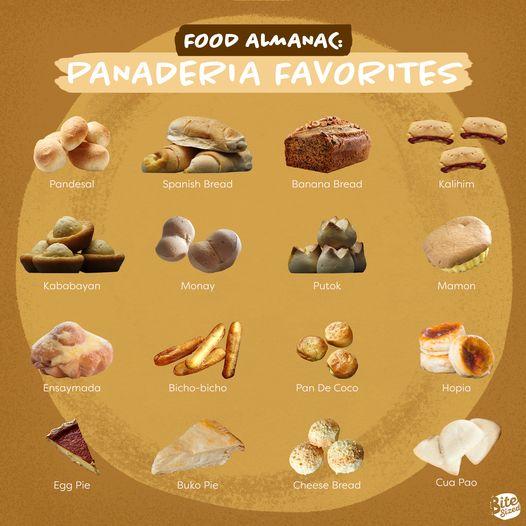
The warm aroma of freshly baked bread drifting from the neighborhood panaderia is a familiar comfort for many Filipinos. Whether it’s an early morning pandesal run or an afternoon merienda stop, a visit to the local bakery is a cherished part of everyday life. Behind the glass display cases filled with golden buns, sweet pastries, and savory treats lies an incredible variety of Filipino breads—each with its own story, flavor, and loyal following.
While the prices of our favorite panaderia breads have gradually increased over the years, they remain an affordable staple that Filipinos enjoy every day. From classic pandesal to soft ensaymada and everything in between, here’s your guide to the most popular traditional Filipino breads you’ll find at your neighborhood panaderia.
Pan De Sal
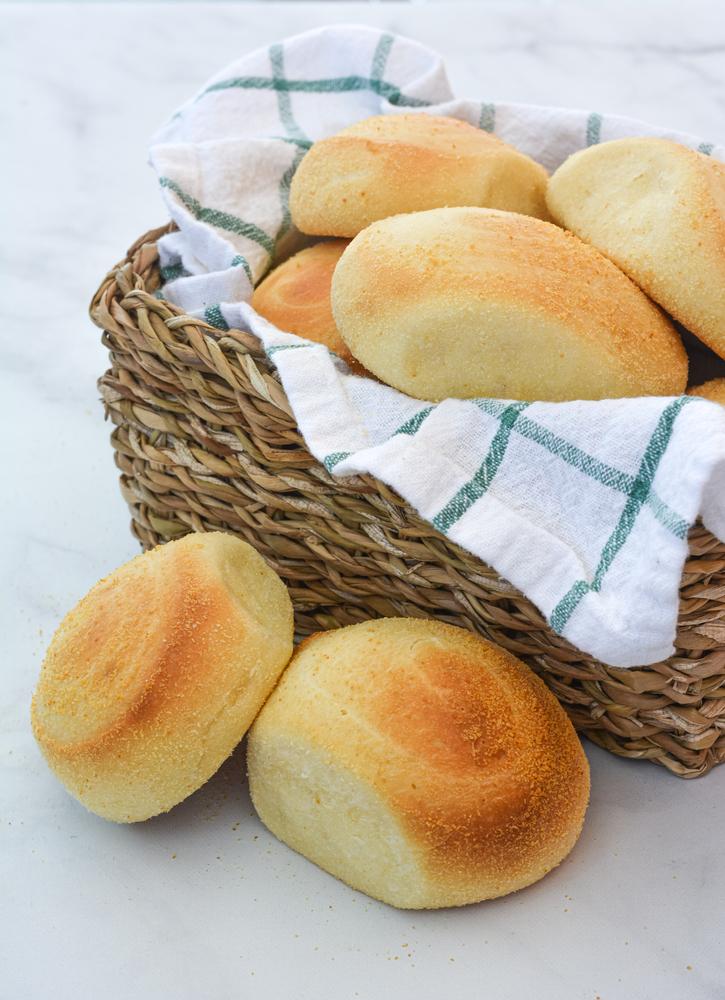
The quintessential Pinoy tinapay, pan de sal translates to “bread of salt”. Pan de sal is mostly enjoyed as a breakfast staple or merienda. Pan de sal is the bread and butter of local panaderias as it is the most commonly sold item in bakeries. This bread is made with a few simple ingredients such as flour, milk, water, sugar, and salt.
Spanish Bread
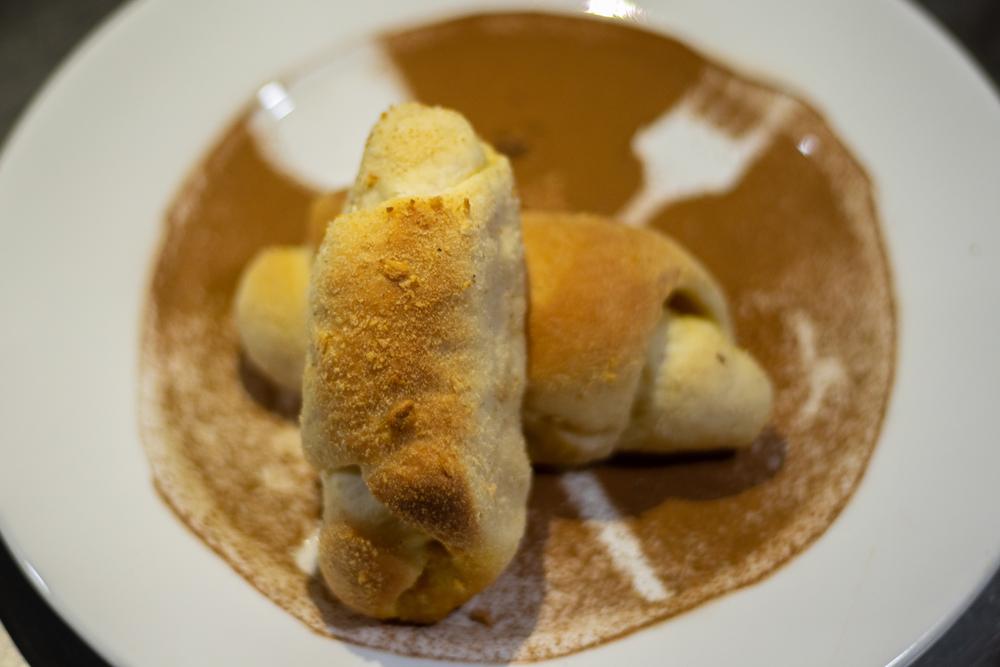
Spanish bread starts as a milky dough that’s flavored with butter and sugar, then rolled onto breadcrumbs to achieve its distinct shape and crust. It has a similar texture to pan de sal but with a sweeter taste. Think of it as the middle ground between ensaymada and pan de sal.
Banana Bread
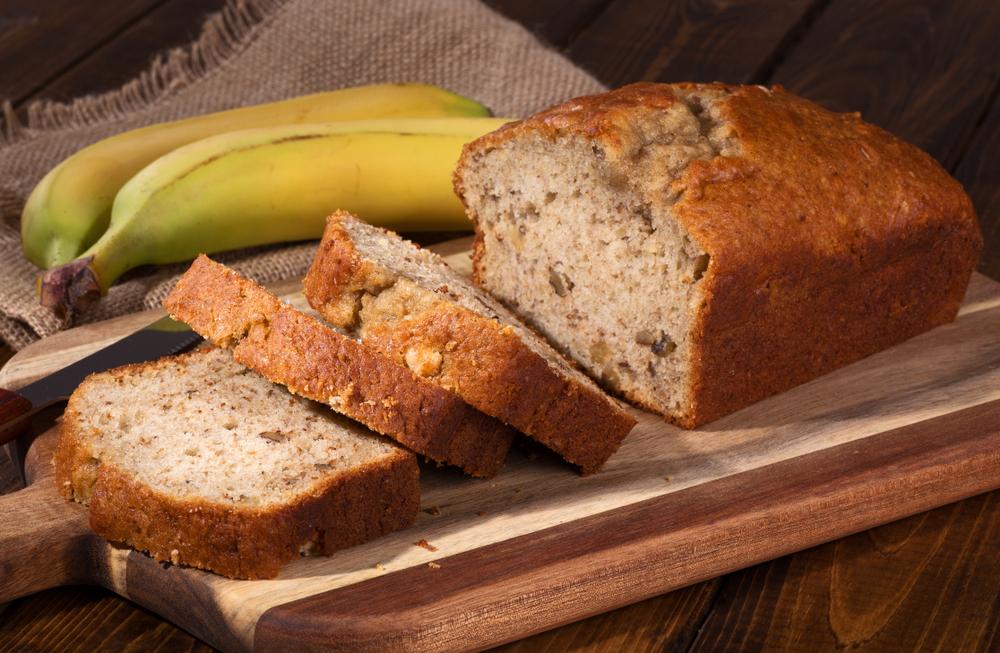
Bananas are abundant in our country; maybe that’s one of the reasons why panaderias often offer banana bread. It’s a sweet, dense bread with a really strong banana flavor. Some panderias even bake their banana bread on banana leaves to add more flavor and aroma. More often than not, though, the banana bread you’ll get from the panaderia is a bit dry or overcooked, so I suggest you pair it with coffee or hot chocolate. Nevertheless, many Filipinos enjoy banana bread as a merienda.
Kalihim
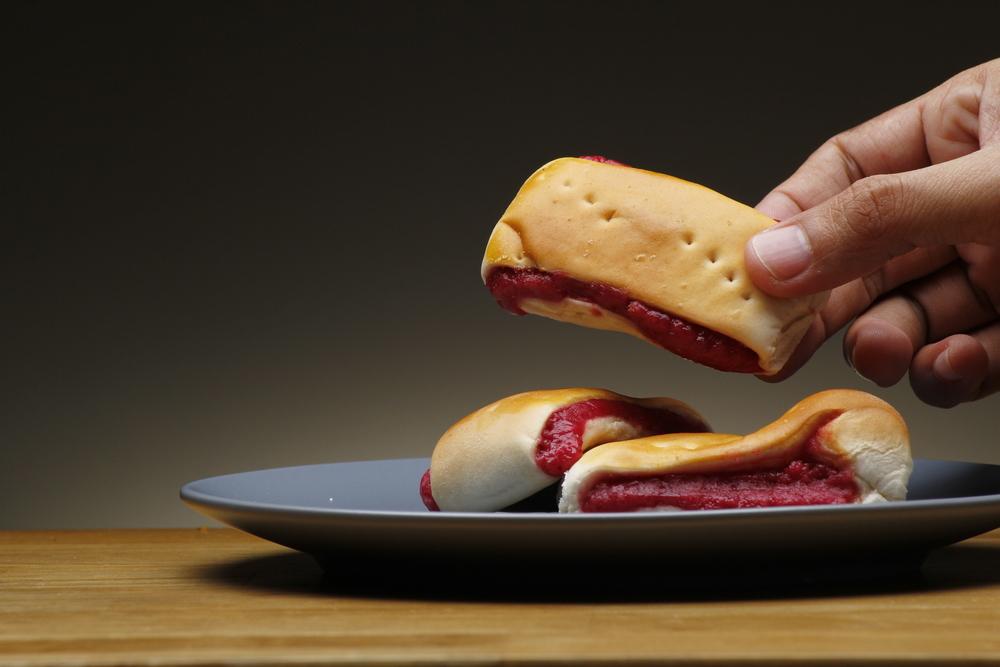
Kalihim is a soft bread filled with bread pudding made from day-old bread, milk, sugar, eggs, and vanilla that’s mixed with food coloring. Translated to “secret” in English, the name refers to the panaderia’s trade secret: they use unsold bread as the main ingredient for the bread’s filling. Sometimes purple, sometimes green, oftentimes red, the latter hue is also popularly called pan de regla, meaning “menstrual bread.”
Kababayan
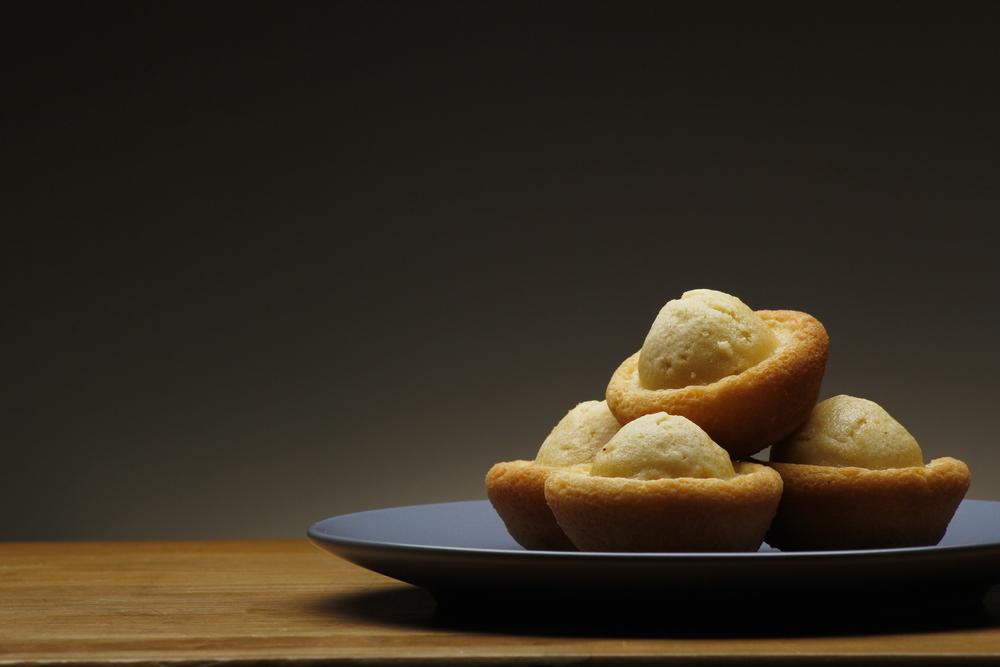
The Kababayan is a Pinoy sweet muffin made with eggs, sugar, milk, and flour. Translated as ‘fellow countrymen,” this muffin has a distinct appearance, particularly its top, which is similar to a salakot, a native straw hat usually worn by farmers.
Monay
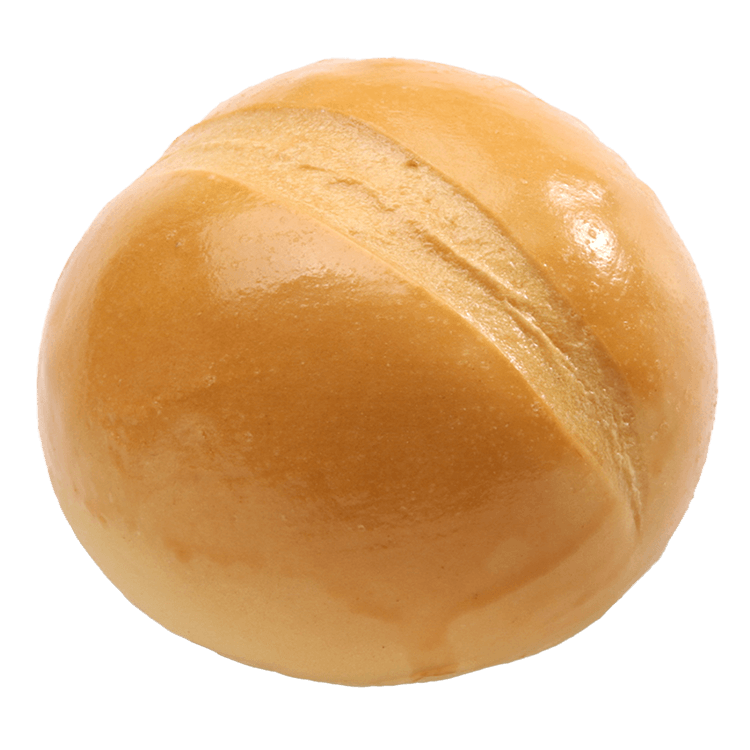
Monay is a dense, rich bread with a distinct split in the middle. It’s the mother of all Pinoy bread since many other breads can be made from the base dough of monay, with popular variations like pinagong and putok. Usually thick and filling, monay also has other versions where it’s soft and chewy.
Putok
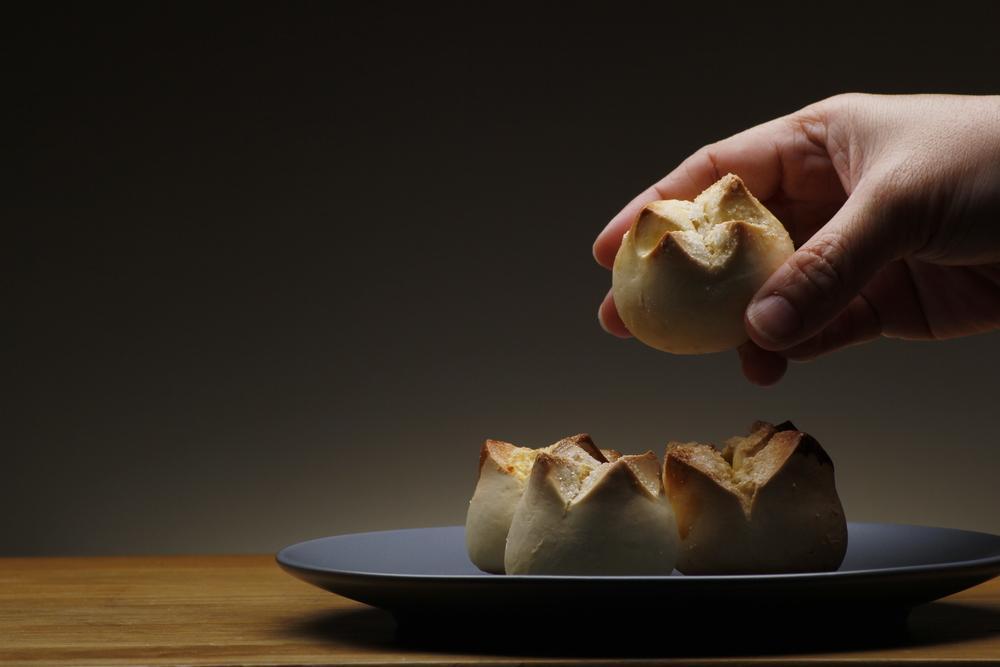
Putok is made from the monay dough and has a crown or cross indentation rather a split. The word ‘putok’ means “explode” pertaining to the indentation it forms after baking. This bread is denser and harder than monay due to its shorter proofing time.
Mamon
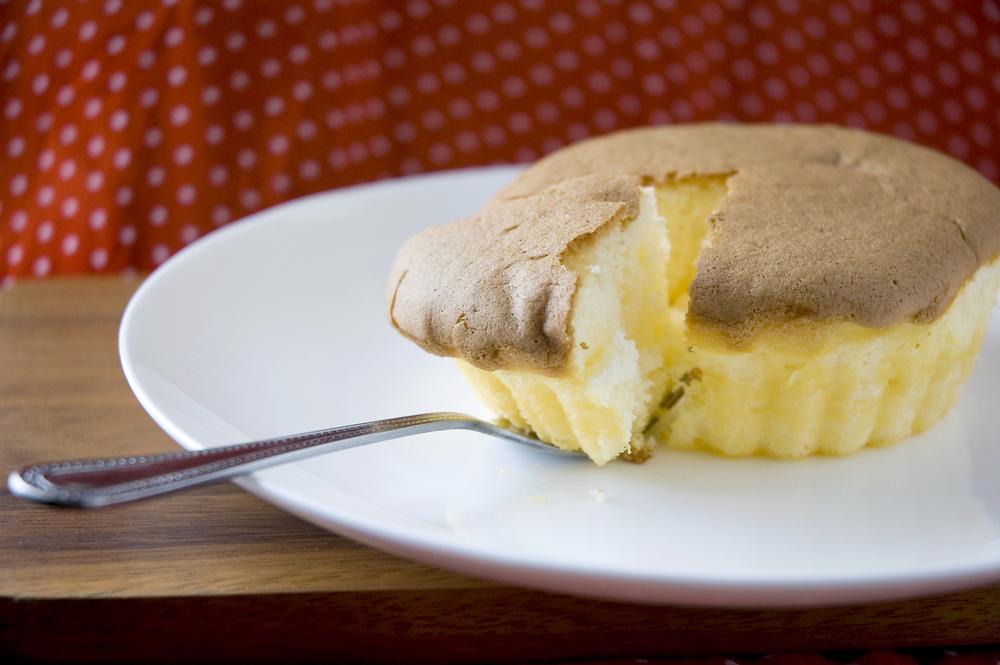
Mamon is a sweet, fluffy sponge cake topped with lots of butter and cheese. It is a pillowy, very light, and pleasantly sweet cake normally eaten as a merienda.
Ensaymada
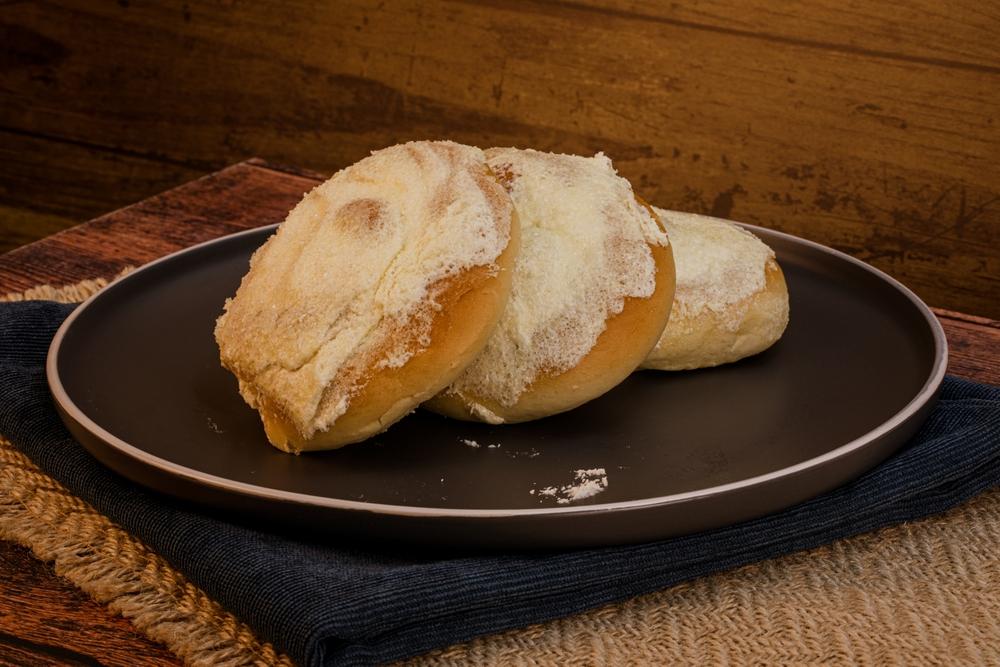
The Pinoy ensaymada is inspired by the ensaimada, a yeast bun made with pork lard in Majorca, Spain. Similar to brioche bread, this light and sweet bun is traditionally topped with lots of butter or margarine, sugar, and grated cheese, usually quezo de bola. Our love for ensaymada has inspired bakers to innovate and add newer toppings to the ensaymada, such as salted egg, ham, and quezo de bola, and even modern flavors like ube, coffee, and Nutella. Though available all year long, this buttery, soft bread is a favorite gift item or pasalubong during the holidays and other special occasions.
Bicho-bicho
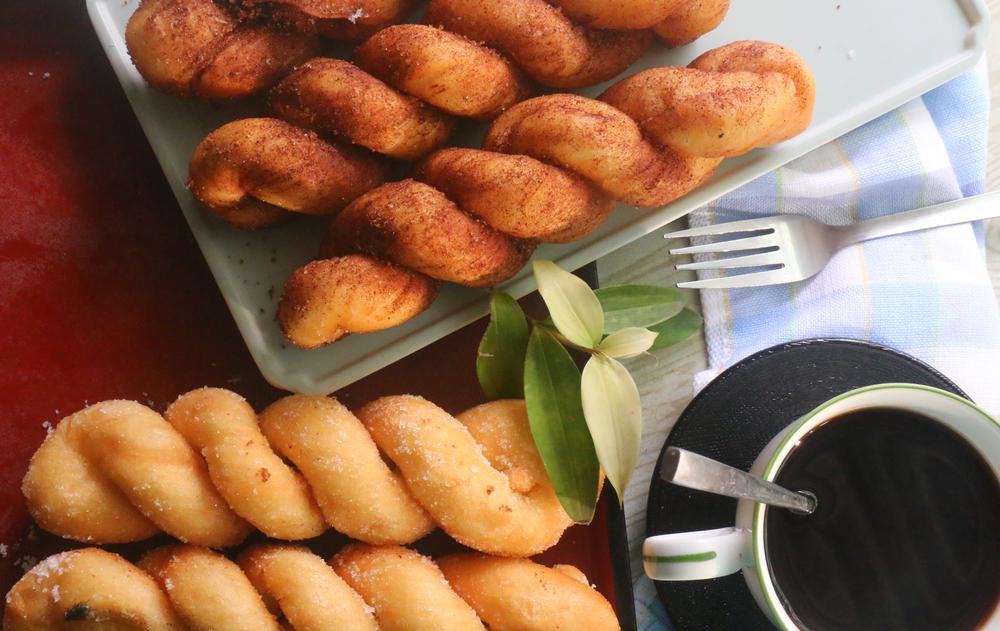
Bicho-bicho or bitsu-bitsu is a fried yeast dough that is twisted or shaped into a log, then covered with sugar. This fried bread is somewhat a Pinoy version of a doughnut and is eaten as a merienda.
Pan De Coco
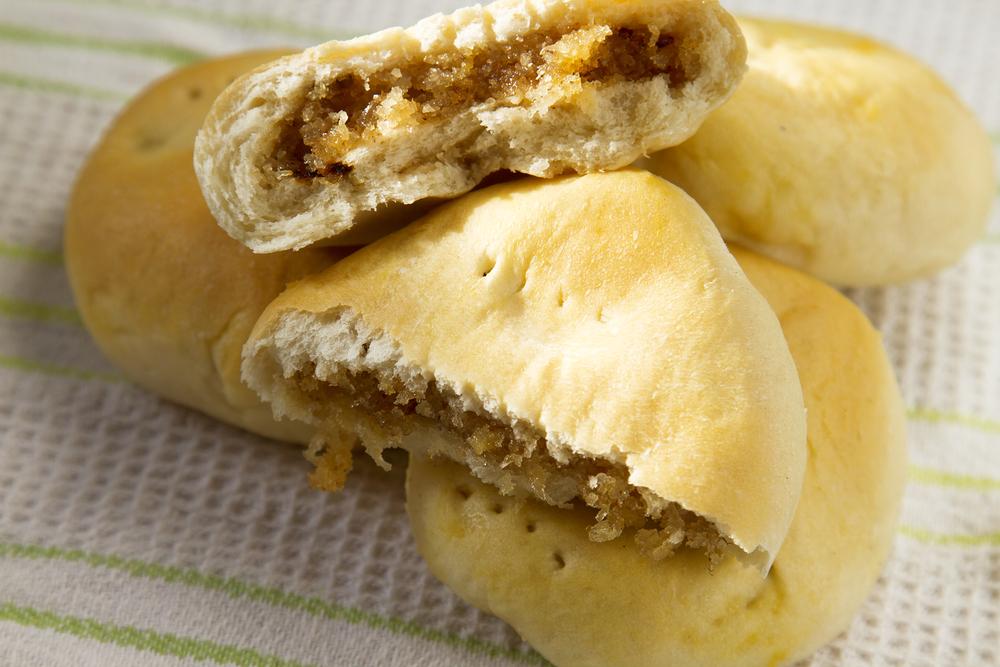
A sweet round bun filled with a coconut filling made with sugar, butter, and grated coconut. Pan De Coco’s rich coconutty flavor and a caramel-like sweet butter make it an addictive bread to eat. This bread originated from Honduras and was introduced by the Spaniards to the Philippines.
Hopia
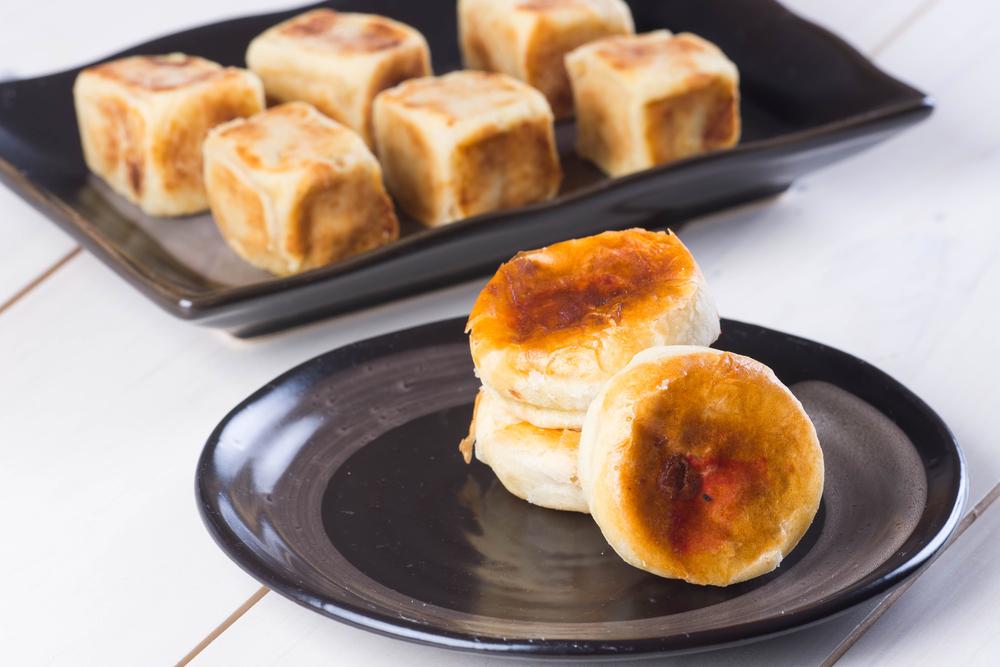
Hopia or “good pastry” in Hokkien is a round or cube pastry introduced by the Fukienese immigrants to us Filipinos during the early 1900s. It has different fillings ranging from savory to sweet. The most common fillings are mung beans, ube, and pork. Hopia is a favorite snack that’s commonly paired with a bottle of soda.
Egg Pie
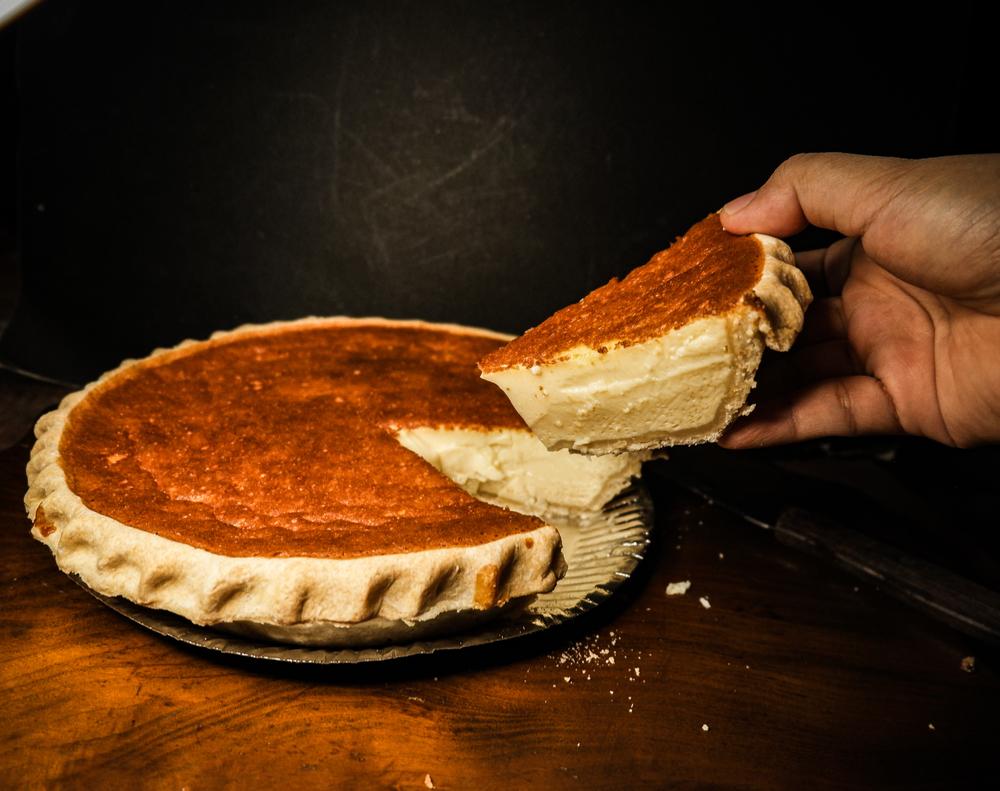
An egg pie is a popular panderia staple made up of a thick pastry crust filled with a sweet egg custard made with milk, sugar, lots of eggs, and vanilla extract. Egg pie is one of the go-to breads to buy for merienda, which is often sold by the slice.
Buko Pie
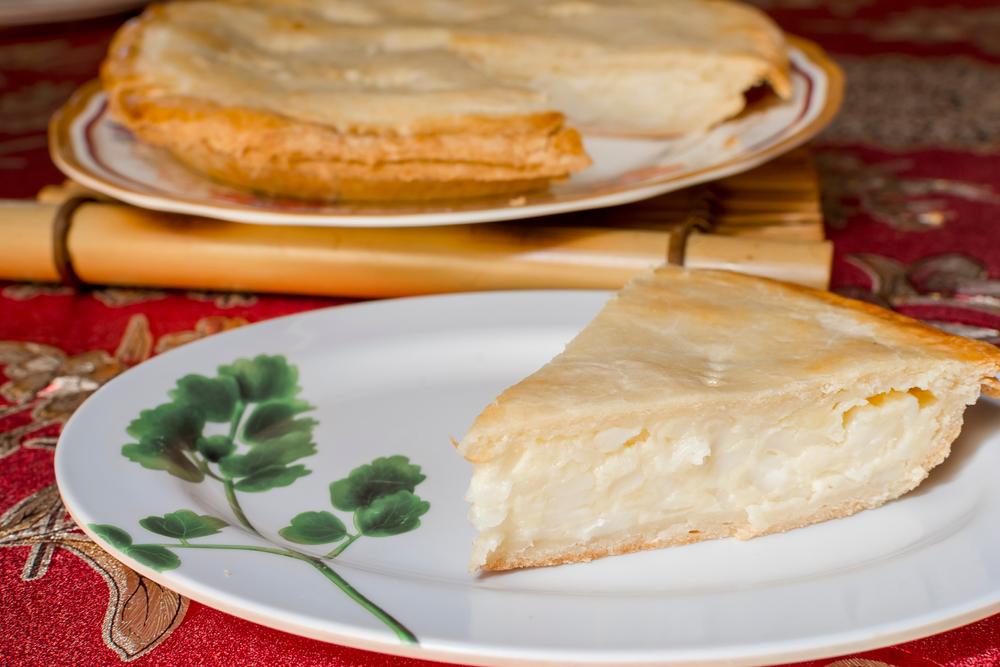
The buko pie is another favorite Filipino sweet pie. This dessert merienda staple is made with a custard consisting of young coconut and condensed milk baked on top of a semi-flaky crust. The most popular and sought-after buko pies in the country are sold in Laguna, Tagaytay, and Quezon Province.
Cheese Bread
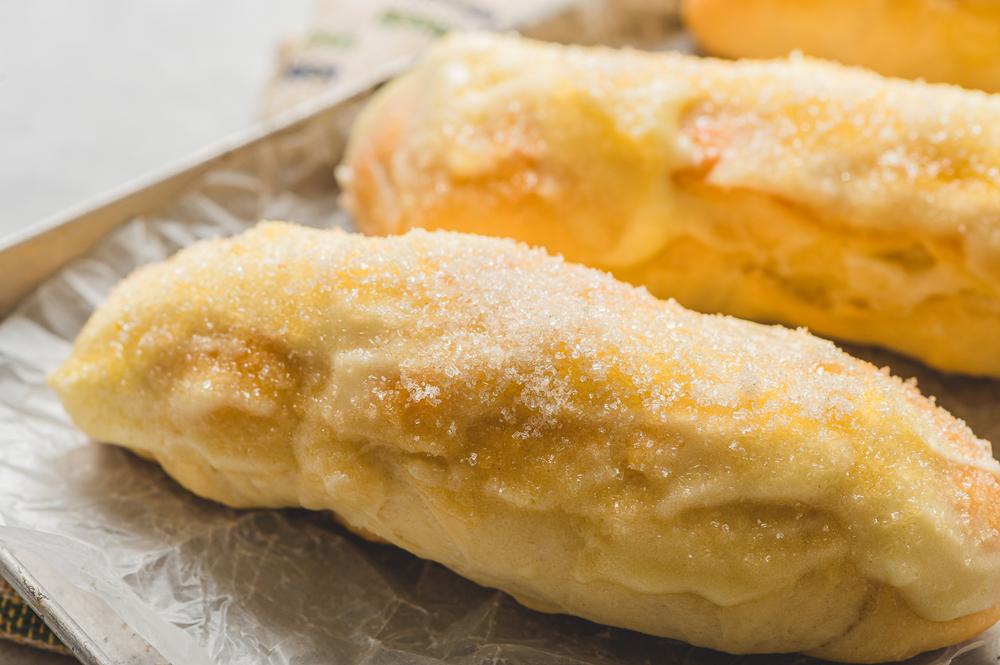
A leveled-up version of the pan de sal, cheese bread is sweeter and milkier. Cheese breads are filled with cheese and topped with cheese granules rather than breadcrumbs. This bread is the perfect combination of sweet and savory!
Cua Pao
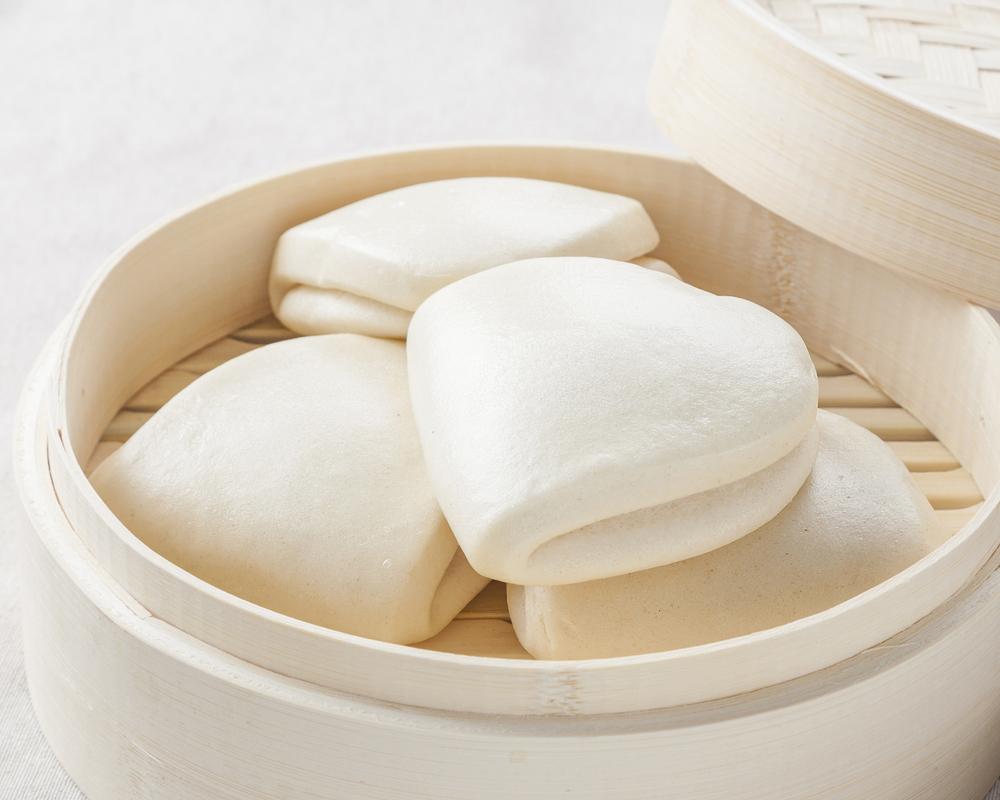
Cua pao is a steamed bun made with sugar, water, flour, and yeast. It is normally served in Chinese restaurants where it is eaten with braised meats. Cua pao is a staple in some bakeries in the country, specifically in Binondo, Manila, and other Chinatowns. This can be eaten as it is or fried, then served with condensed milk.
Do you have other Panaderia favorites that we missed? Let us know in the comment section! We’d like to try it so we can put our bite-sized twist on it!
For panaderia favorites with a Bitesized twist, check out these recipes!
Follow us on Facebook, Instagram, TikTok, and YouTube for foodie finds, reimagined recipes, and easy eats that will take Pinoy bellies on an adventure!



Leave a Reply