Filipino food isn’t just something you cook—it’s something you inherit, question, and constantly rediscover. Behind every dish is a story shaped by history, migration, and memory, and these stories are best told by the writers and cooks who’ve spent years documenting them. From deep dives into culinary language to personal essays, cultural reflections, and modern interpretations, these books go beyond recipes. They capture what it truly means to eat—and be—Filipino. If you’re building a shelf that reflects both heritage and curiosity, these ten titles are a strong place to start.
What Recipes Don’t Tell by Felice Prudente Sta. Maria
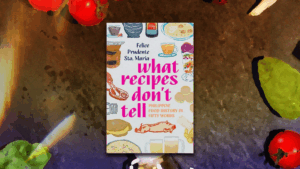
What Recipes Don’t Tell by Felice Prudente Sta. Maria explores the historical and cultural origins of Filipino cuisine through fifty foundational culinary terms. By tracing the precolonial and colonial stories behind words like kilaw and halo-halo, the book reveals a food heritage shaped by resilience and adaptation. It highlights how native traditions and foreign influences blended to create a uniquely Filipino gastronomic identity.
Sarap by Doreen G. Fernandez and Palayok by Doreen G. Fernandez & Edilberto N. Alegre (2025 Clay Slipcase Edition)
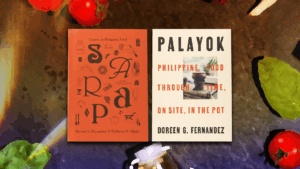
The Sarap and Palayok 2025 Clay Slipcase Edition honors the legacy of Doreen G. Fernandez and Edilberto N. Alegre, two pillars of Filipino culinary literature. This twin bundle reintroduces their foundational essays, which explore the profound cultural and historical contexts of the nation’s food. While Sarap offers a landmark anthology of insights into the Filipino palate, Palayok traces the evolution of local cuisine from its ancient origins to modern preparations. Together, these illustrated works serve as an essential guide for a new generation to appreciate the depth of Philippine gastronomic heritage.
KitchiZen by Chef Tatung Sarthou
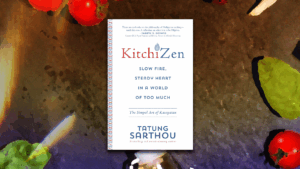
In KitchiZen, Chef Tatung offers a philosophical exploration of Filipino culinary life rather than a traditional collection of recipes. The book centers on the concept of the “kitchen citizen,” a person shaped by the patience, history, and discipline inherent in feeding a nation. Structured around the pillars of heart, skill, livelihood, and community, it draws from a lifetime of insights to elevate the kitchen as a place of profound wisdom. Ultimately, this work honors the unrecognized generations of cooks who have defined the Filipino spirit through the steady heat of the stove.
A Very Asian Guide to Filipino Food by Amira Humes
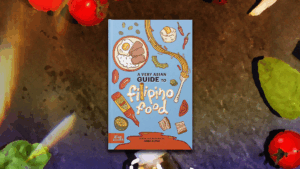
A Very Asian Guide to Filipino Food is a vibrant introduction to the Philippines’ rich culinary heritage, specifically designed for young readers. Through colorful illustrations, author Amira Humes teaches children about classic dishes like adobo and popular ingredients like ube. This book is an essential resource for kids, especially for those living outside the Philippines, helping them connect with their cultural roots or discover a new world of flavors. By blending fun facts with tradition, it celebrates the joy of Filipino culture one delicious page at a time.
The Ultimate Filipino Adobo: Stories + Recipes from the Heart by Claude Tayag
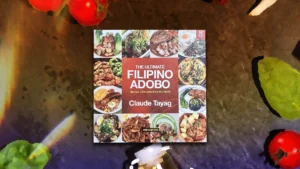
In The Ultimate Filipino Adobo, Claude Tayag defines adobo as a versatile cooking method rooted in vinegar rather than a single, rigid recipe. By exploring diverse global versions and personal stories, he highlights how the dish serves as a nostalgic link to home for Filipinos everywhere. Ultimately, the work celebrates adobo’s lack of standardization, honoring the unique variations found in every household.
Philippine Food, Cooking & Dining Dictionary by Edgie Polistico
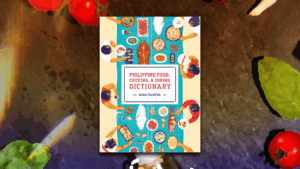
This comprehensive dictionary serves as an essential reference for the Philippines’ diverse culinary landscape, documenting the unique ingredients and dining customs found across the archipelago. It is especially valued for capturing the vast array of local languages and dialects, preserving the distinct terminology that varies from province to province. By providing deep cultural and linguistic context, the guide helps not only chefs and researchers alike, but also those who wish to navigate the rich, localized traditions of Filipino gastronomy.
Savor the Word: 10 Years of the Doreen Fernandez Food Writing Award by Michaela Fenix, Maya Besa Roxas, Felice Prudente Sta. Maria
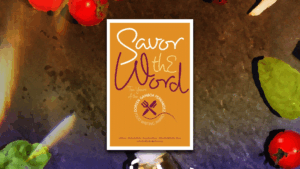
Savor the Word gathers more than 55 standout pieces from the Doreen Gamboa Fernandez Food Writing Award, a competition launched in 2002 to celebrate Filipino food storytelling at its finest. Within its pages, essays and recipes come together to paint a vivid picture of what Filipino cuisine truly means—rooted in memory, culture, and a deep, personal connection to cooking. Each entry reveals not just flavors, but the heart and intent behind why Filipinos write about food with such intensity and pride.
Kulinarya: A Guidebook to Philippine Cuisine
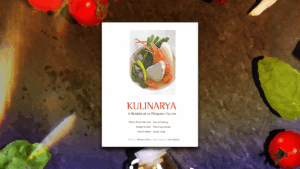
Kulinarya: A Guidebook to Philippine Cuisine is an essential resource that documents and celebrates the depth and diversity of Filipino food culture. More than a cookbook, it preserves culinary traditions by standardizing recipes while still honoring regional nuances and homegrown techniques. It serves as a bridge between generations, ensuring that heritage dishes are not lost but continuously adapted and appreciated. Presenting Filipino cuisine with clarity and pride elevates its global recognition and inspires both home cooks and professionals to explore, cook, and share the richness of the Philippines’ culinary identity.
Country Cooking: Recipes and Stories from the Philippines by Michaela Fenix
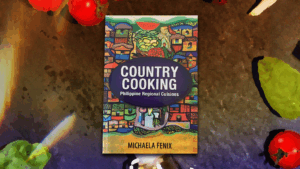
Country Cooking: Recipes and Stories from the Philippines is more than a traditional cookbook—it reads like a journey across the Philippines through food. Combining thoughtfully documented recipes with narrative-driven storytelling, it captures the distinct flavors, techniques, and traditions of various regions. Published by Anvil Publishing in the mid-2010s, the book has since earned recognition as a valuable chronicle of Filipino culinary heritage, offering both cultural context and practical insight into the country’s diverse and deeply rooted foodways.
Do you have a Filipino food book to recommend? Tell us!
Follow us on Facebook, Instagram, TikTok, and YouTube for foodie finds, re-imagined recipes, and easy eats that will take Pinoy bellies on an adventure!


Leave a Reply